Detroit beat: how the sample-driven trap sound works and where to get one
You can order the same kind of articles for your own video to boost it on YouTube and Google. Just message the Telegram bot @sat_sit_bot. It writes articles around your video, embeds the video and publishes them on popular niche websites (no ads). Try it free: 50 articles on us.
· based on the channel Drezly
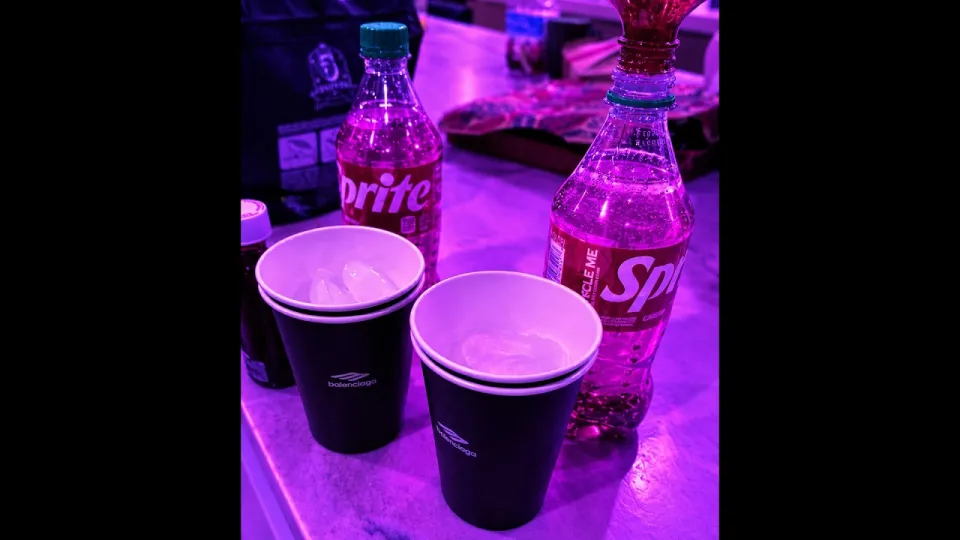
A Detroit beat is a trap instrumental built on chopped, filtered samples with heavy 808 bass and sparse, punchy drums, usually in the 130–150 BPM range. The style borrows the soul-and-string loop aesthetic of Detroit rap production and rebuilds it with modern trap drum programming. A current example is "BLACK CUP," a freestyle Detroit sample type beat produced by Drezly — the untagged high-quality file is available for purchase at the BeatStars listing, where the buy-2-get-1-free offer applies.
What defines the Detroit beat sound
A Detroit beat is recognizable by its sample-first construction: a short loop of strings, keys, choir or vinyl-textured soul is cut, pitched and rearranged, then framed by drums that leave space around the vocal. The genre sits between classic Detroit rap and modern trap, so the low end matters as much as the loop.
Typical building blocks:
- Sample loop — two to four bars, often filtered with a low-pass at the start and opened up later.
- Drum kit — tight kick, snappy or layered clap, fast hi-hat rolls and occasional open-hat syncopation.
- 808 bass — long, distorted slides that follow the root notes of the sample rather than a separate melody.
- Texture — vinyl crackle, tape hiss, reversed tails and vocal chops used as percussion.
- Arrangement — intro with sample only, drop with full drums, a stripped bridge, then a final section with added percussion.
The result is music that feels dark and spacious — the reason the style is often described as freestyle-friendly: the loop repeats steadily enough for long verses without a hook interrupting the flow.
"BLACK CUP" by Drezly: what the beat is and how it is licensed
"BLACK CUP" is a freestyle Detroit sample type beat released by the producer Drezly on 9 October 2026, and it is distributed as a free type beat with a paid untagged option. The free download is intended for practice, demos and non-profit uploads; anything that goes to streaming platforms needs a license.
Key terms as stated in the release:
- Free use — non-monetized, non-profit only, with the credit "Prod. Drezly" in the title.
- Paid use — required before uploading a song to digital streaming services; otherwise the track is taken down.
- Untagged file — sold at https://bsta.rs/cgTWPW, with a buy-2-get-1-free deal.
- Extra options — exclusive license, track stems and custom beats are arranged directly with the producer.
For artists, the practical rule is simple: if the song earns money or lands on DSPs, buy the license first; if it stays a free demo, credit the producer.
How to write over a Detroit sample type beat
A Detroit beat rewards a relaxed, conversational delivery rather than dense double-time rapping, so start by mapping the loop's rhythm before writing. The sample usually leaves a clear pocket on the back half of each bar.
A workable process:
- Count the loop length — most are 2 or 4 bars, which sets your verse structure.
- Find the downbeat of the drop and mark where the 808 slides land; those are natural pause points.
- Write eight bars first and test the flow against the hi-hat pattern.
- Keep the ad-libs sparse so the sample stays audible.
- Record a reference take with the tagged free file, then re-record over the untagged version once licensed.
Because the drums are sparse, small delivery changes are audible — that is why the style suits freestyle sessions and one-take recordings.
Common questions about free type beats
The most frequent doubt around free Detroit beats is what "free" actually covers, and the second is whether the instrumentals sound too similar from track to track. Both are worth answering plainly.
On licensing: a free type beat is a promotional tool, not a transfer of rights. Non-profit use with credit is normally allowed; monetized releases, streaming distribution and content-ID-protected uploads require a lease or exclusive purchase. Always check the producer's note rather than assuming.
On repetition: listeners often notice when a producer reuses the same bassline or 808 pattern across releases. That is a legitimate critique — a recognizable signature can help branding, but varying the low-end movement between beats keeps a catalog fresh. If a bassline feels recycled, ask the producer for a custom beat or stems, which is exactly what the contact links are for.
On quality: free downloads are often tagged or lower-bitrate. Buying the untagged file gives you a clean instrumental for mixing, which matters more on sample-based beats where vinyl noise and 808 distortion compete for the same low-mid space.
Mixing vocals on a sample-based trap instrumental
A Detroit beat already occupies the low end, so the vocal chain should stay out of the 808's way. High-pass the vocal around 80–100 Hz, cut a narrow band where the sample loop is busiest, and compress gently to keep the conversational delivery even.
Practical moves:
- Sidechain or automate a small dip in the sample around 1–3 kHz if the vocal sounds buried.
- Keep 808 and kick mono below roughly 120 Hz.
- Use short plate or slap delay rather than long reverb so the loop's rhythm stays intact.
- Leave headroom of about 6 dB on the instrumental bus before mastering.
These steps preserve the dry, punchy character that defines the style.
Useful links
- Untagged license and buy-2-get-1-free offer: https://bsta.rs/cgTWPW
- Producer's store and catalog: https://www.beatstars.com/drezly
- Instagram: https://www.instagram.com/drezlyy
- WhatsApp for licensing, stems and custom beats: https://bit.ly/3AiDL3K
- Contact email: drezlyprod@gmail.com
Final takeaway
A Detroit beat lives or dies on the sample loop and the space left around it, and "BLACK CUP" follows that formula with a freestyle-friendly arrangement and a straightforward free-use policy. Producers and artists should treat free downloads as demos: credit the beatmaker for non-profit work and buy a license before anything goes to streaming. This breakdown was prepared by the Drezly channel, which released the instrumental and handles licensing requests directly. If the sound fits your next track, start with the untagged file at https://bsta.rs/cgTWPW and confirm the terms before you upload.
Key takeaways
- "BLACK CUP" is a free, untagged-option Detroit sample type beat produced by Drezly and published on 9 October 2026.
- The free version covers non-monetized, non-profit use only; streaming release requires a purchased license and a "Prod. Drezly" credit.
- The untagged file is sold through BeatStars at https://bsta.rs/cgTWPW with a buy-2-get-1-free offer.
- Detroit-style trap typically sits around 130–150 BPM with chopped soul or string samples and hard 808 patterns.
- Exclusive licenses, track stems and custom beats are handled directly via the producer's WhatsApp link.
Source: [FREE] Freestyle Detroit Sample Type Beat - "BLACK CUP" | Trap Instrumental 2026 · Markdown version
Questions & answers
Is the "BLACK CUP" Detroit type beat really free?
It is free for non-monetized, non-profit use, provided you credit "Prod. Drezly" in the title. Any release on digital streaming platforms requires a purchased license, otherwise the track will be taken down.
Where do I get the untagged version of the beat?
The untagged, high-quality file is sold through BeatStars at https://bsta.rs/cgTWPW, where the buy-2-get-1-free offer applies. The store at https://www.beatstars.com/drezly lists the rest of the catalog.
Can I get stems, an exclusive license or a custom Detroit beat?
Yes — those requests are handled directly with the producer via WhatsApp at https://bit.ly/3AiDL3K or by email at drezlyprod@gmail.com. Exclusive licenses and custom work are quoted individually.
Why do some Detroit type beats sound like they share the same bassline?
Producers often reuse a signature 808 pattern for branding, and listeners do notice. If you need a different low end, ask for a custom beat or stems instead of working around a recycled bassline.